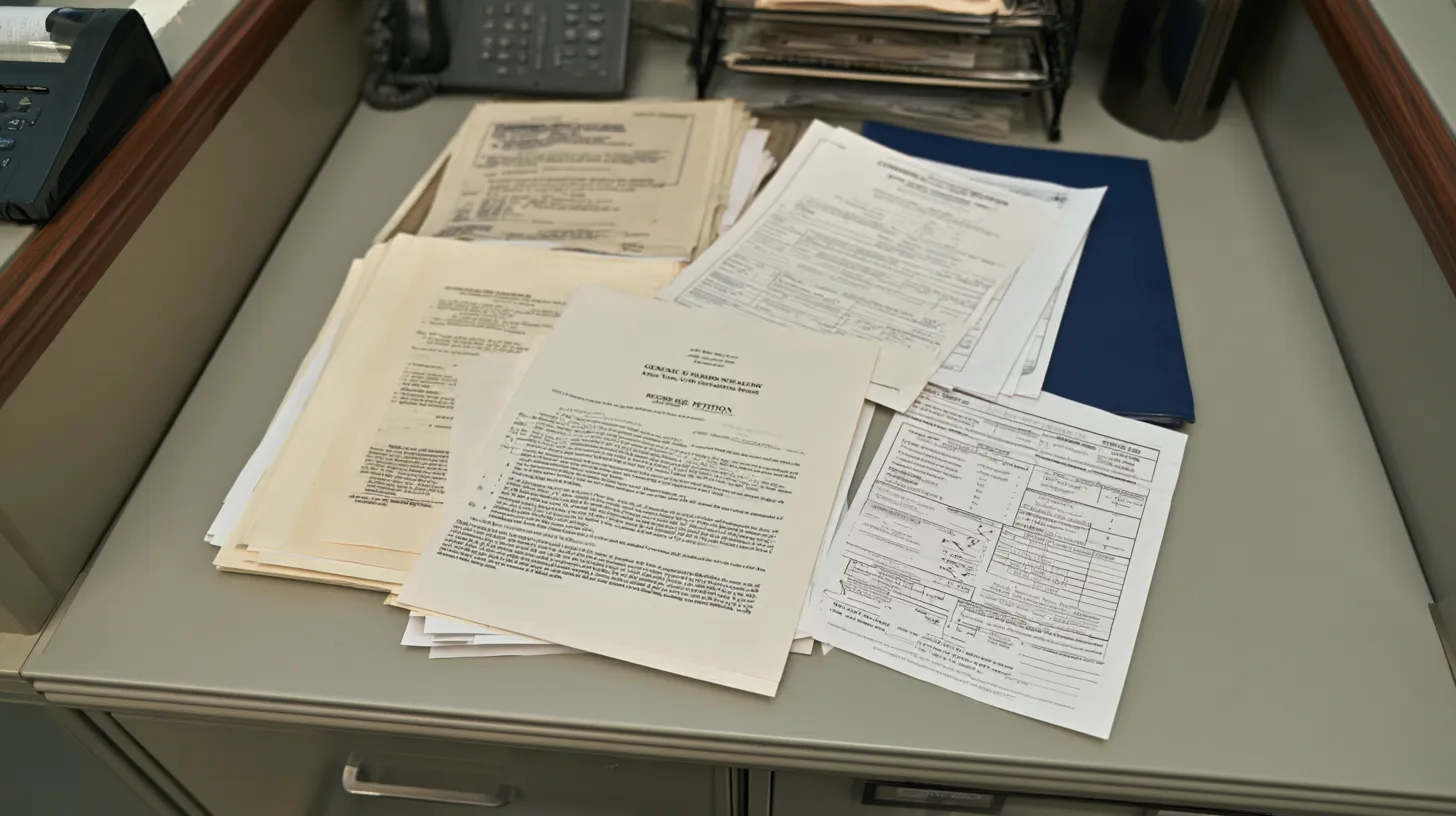
Cost is where many people stop. A filing fee, criminal-history fee, fingerprints, and certified copies can make record sealing feel unaffordable before the process even begins.
Nevada does not have one universal record sealing filing fee waiver. Instead, the law provides several different paths. Three categories of petitioners can qualify for no-fee treatment directly under statute, while others may apply for a general court fee waiver based on financial circumstances.
The cost of a sealing petition before any waiver applies
Understanding what “no fee” means starts with the ordinary costs of filing.
Henderson Township Justice Court and North Las Vegas Township Justice Court publish a $74 fee for a petition to seal records, with additional charges possible for certified copies.
The Eighth Judicial District Court does not clearly list a specific record-sealing fee on its general published fee schedule. Nevada Legal Services has identified a filing amount in its record-sealing materials, but applicants should confirm the current fee directly with the court clerk before planning around it.
The Nevada Central Repository also charges for the criminal-history record generally required for an ordinary sealing petition.
Fingerprinting can create another expense, and the state does not publish one statewide fingerprinting price because the fee can vary by agency.
Certified copies and other court documents may add additional costs.
These are the types of expenses that Nevada’s statutory no-fee provisions can remove in qualifying cases.
No-cost record sealing for survivors of sex trafficking
Nevada law provides one of its broadest fee protections to certain survivors of sex trafficking.
Under NRS 179.245, no Nevada court or criminal-justice agency may charge qualifying petitioners fees related to a sealing petition when the person was being sex trafficked under NRS 201.300 at the time the offense was committed.
This is not simply a request for the judge to waive a filing fee.
The statute directly prohibits the covered fees.
The protection can include the fee for filing the petition, obtaining qualifying government-provided fingerprints, obtaining criminal-history records, obtaining arrest and conviction records, and obtaining or certifying copies of documents.
That means costs such as the ordinary court filing fee and the Central Repository criminal-history fee can fall within the statutory exemption.
Nevada law requires a statement from the petitioner certifying the trafficking circumstances.
The statute does not describe this as an income-based waiver.
Eligibility instead depends on the relationship between the trafficking and the offense being sealed.
One question remains less clear when the person is proceeding under Nevada’s separate trafficking-survivor vacatur statute, NRS 179.247, because the no-fee language is written specifically for petitions under NRS 179.245. The applicable clerk should therefore be consulted before fees are paid in that situation.
Claiming the sex-trafficking exemption on the state form
The fee exemption can also apply when requesting the criminal-history record from the Nevada Department of Public Safety.
Form DPS-006 specifically states that no fee may be charged under NRS 179.245 when the applicant qualifies as a victim of sex trafficking under NRS 201.300.
The form includes a certification for that exemption.
It does not contain a general indigency or in forma pauperis checkbox for the state criminal-history fee.
That distinction matters because the trafficking exemption is statutory and can reach expenses that an ordinary court fee waiver does not.
A local SCOPE report is a separate record request and may involve its own procedures.
No-fee sealing for an offense Nevada later decriminalized
Nevada also provides a separate no-fee process for certain convictions involving conduct that is no longer criminal.
Under NRS 179.271, a person convicted before an offense was decriminalized may submit a written request to the court where the conviction occurred.
The statute provides that no court or criminal-justice agency may charge a fee for submitting that request.
This process differs from an ordinary record-sealing petition.
The prosecutor generally has 10 judicial days after receiving notice to file a written objection.
If no objection is filed, the court must grant the request.
If the prosecutor objects, the court holds a hearing and generally must grant relief unless the prosecutor establishes good cause not to do so under the statutory standard.
The provision can reach offenses that were decriminalized before the current statute took effect as well as later changes in the law.
It also does not contain the ordinary one-to-ten-year sealing waiting periods.
The statute does not require the same Central Repository criminal-history attachment used in an ordinary NRS 179.245 petition, although a court may still require paperwork necessary to identify the conviction.
There is no official statewide list of qualifying decriminalized offenses
Nevada’s statute defines a decriminalized offense by whether the Legislature or voters removed criminal punishment from the conduct.
It does not provide a complete list of qualifying offenses.
State record-sealing materials likewise do not publish one comprehensive statewide list.
That means eligibility generally requires comparing the old conviction with the legal change that later removed criminal penalties.
The fact that the request itself carries no filing fee makes it important to check whether this route applies before paying for an ordinary sealing petition.
Washoe County’s Second Judicial District Court, for example, publishes a “No Fee” entry for petitions involving convictions for offenses that were later decriminalized.

Sealing after a pardon can also be free
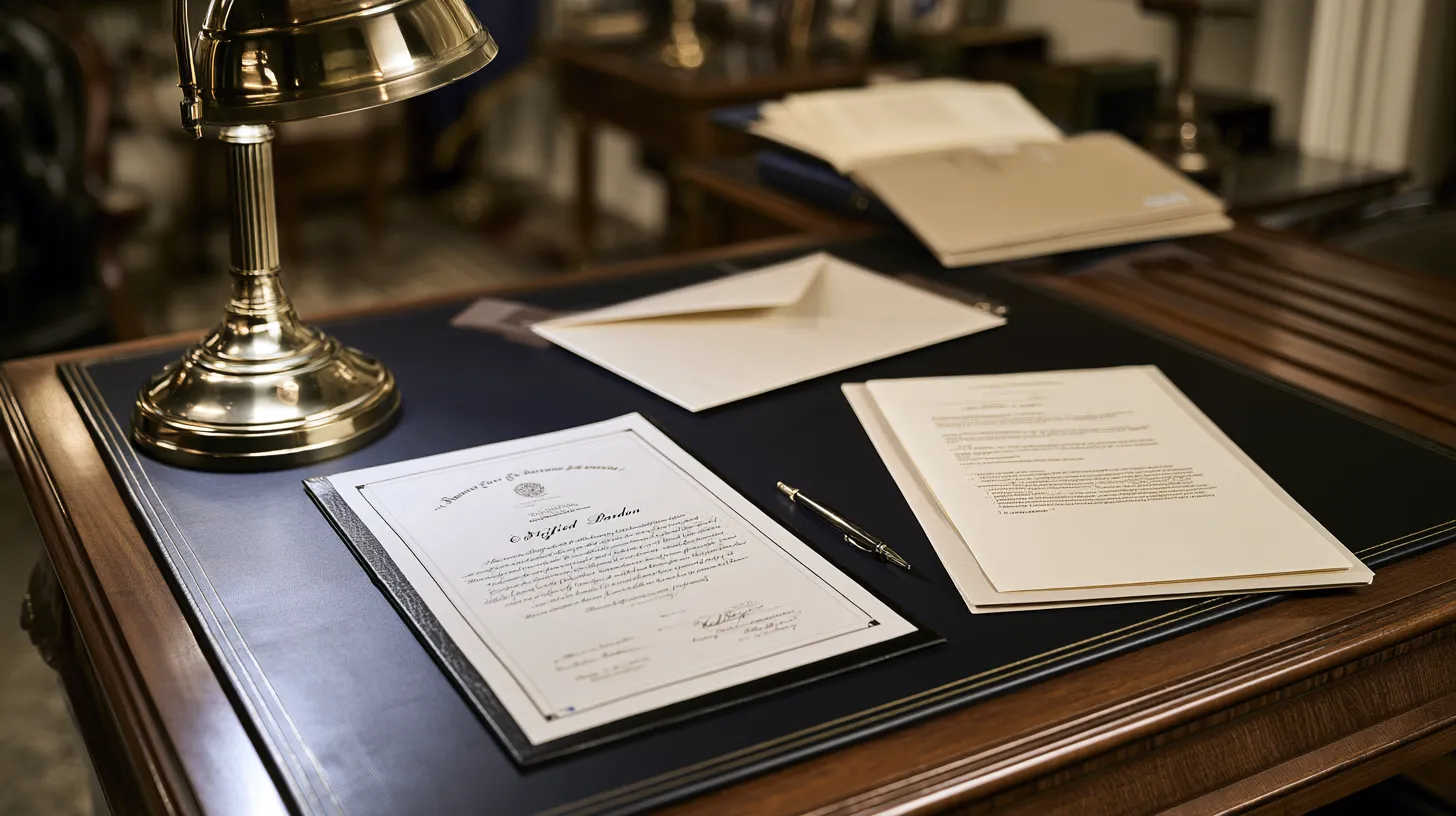
Nevada provides another no-fee route when a person has received a qualifying pardon.
Under NRS 179.273, if the court and Nevada Central Repository receive a certified copy of an unconditional pardon from the State Board of Pardons Commissioners, they are directed to seal the criminal-history records covered by the pardon.
The certified pardon still has to be delivered, so the process does not necessarily happen without action by the person.
Nevada law also allows the person to file a petition with proof of the pardon.
That petition is not subject to the ordinary prosecutorial review process, and the statute directs the court to grant it unless the charges in the petition differ from those covered by the pardon.
The statute also bars a filing fee for this route.
A pardon and a record-sealing order remain different forms of legal relief, but the pardon can create a separate path to sealing without the ordinary filing charge.
The marijuana pardon route
Nevada’s Pardons Board has issued a broad pardon covering certain older convictions for possession of one ounce or less of marijuana not for sale.
For someone whose conviction falls within that pardon, the pardon-based sealing route may be more direct than trying to fit the case into the separate decriminalized-offense procedure.
The Board’s resolution is limited to the convictions it specifically identifies and should not be assumed to cover unrelated marijuana or drug offenses.
The pardon itself also requires documentation.
While the court filing for sealing may be free, obtaining materials required during the pardon process can still involve separate expenses.
The fee waiver available to everyone else
Someone who does not qualify for one of Nevada’s statutory no-fee categories may still seek relief through the state’s general indigency procedure.
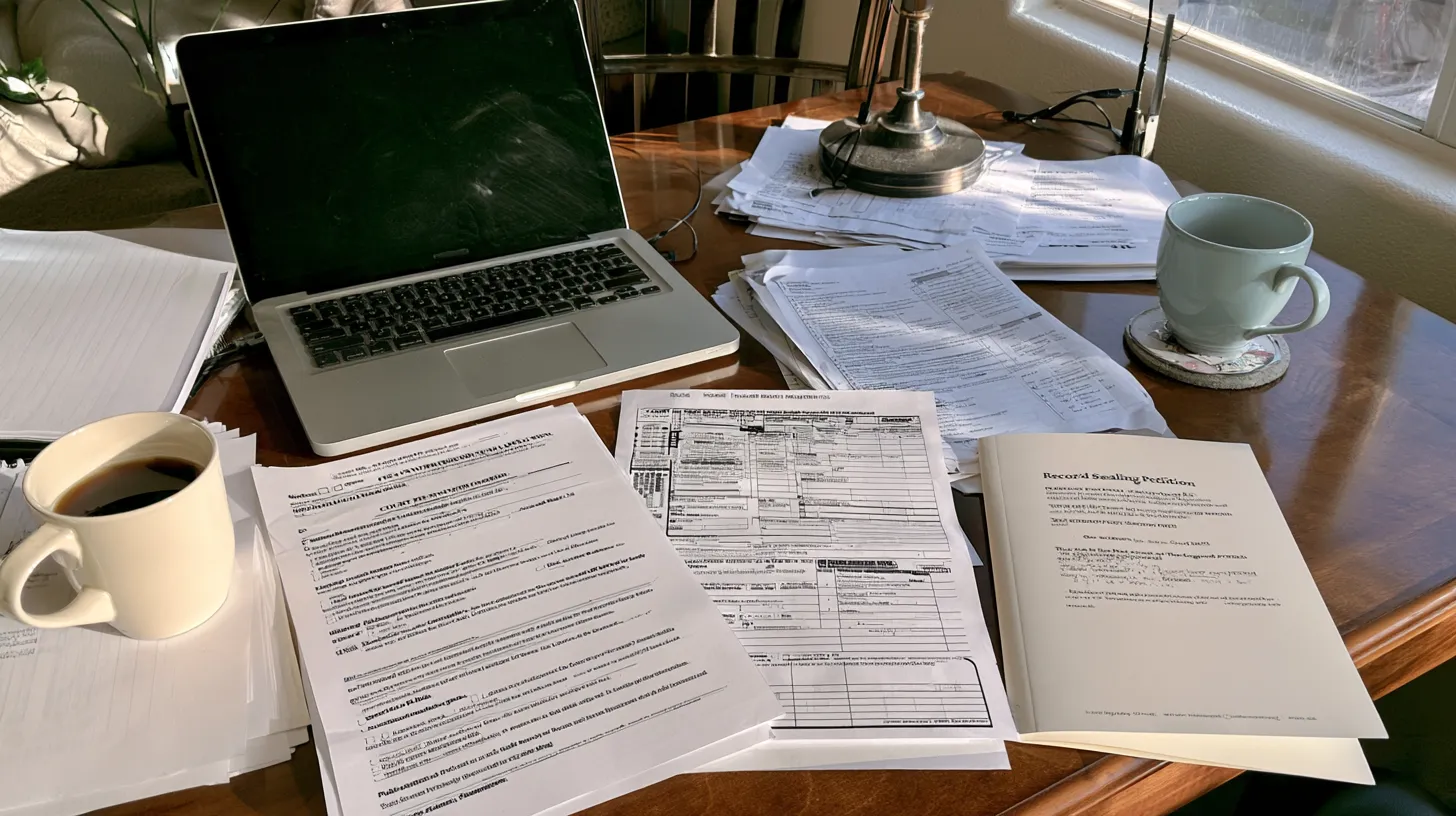
NRS 12.015 allows a qualifying person to apply to proceed without paying certain court costs.
In Clark County, this is commonly done through an Application to Proceed in Forma Pauperis.
The statute and court form provide several alternative ways to qualify.
A person may qualify based on receiving certain public assistance, having household net income at or below the applicable percentage of the federal poverty guidelines, having necessary expenses that exceed income, or demonstrating other compelling financial circumstances.
A client represented by a qualifying legal-aid program may also be able to proceed through a separate representation-based provision.
The application is signed under penalty of perjury, and approval is not automatic.
The court determines whether the applicant qualifies.
An approved order generally remains effective for a limited period rather than permanently.
A court fee waiver does not remove every record-sealing expense
The ordinary indigency waiver is not as broad as the statutory sex-trafficking exemption.
A general court fee waiver can address court filing costs and related court expenses, but it does not automatically eliminate the Nevada Central Repository criminal-history fee.
The DPS criminal-history form does not provide a general indigency exemption comparable to the statutory sex-trafficking provision.
Someone who receives a court fee waiver should therefore still determine which outside agency costs remain payable.
That distinction is important when creating a realistic budget for the entire sealing process.
Attorney fees are separate
None of these statutory no-fee provisions or court fee waivers automatically covers an attorney’s fee.
Court costs and legal representation are separate expenses.
Someone who cannot afford private representation may have other options.
Nevada legal-aid organizations and free record-sealing clinics may provide assistance to qualifying applicants, and filing pro se remains an option.
Record Sealing Nevada’s guides to free legal resources and filing without an attorney explain those alternatives.
Frequently Asked Questions
Can I get a fee waiver if my Nevada case was dismissed or I was acquitted?
Potentially, but the special statutory no-fee provisions do not automatically apply simply because the case ended in a dismissal or acquittal. Those cases generally proceed under Nevada’s separate sealing rules for non-convictions. If no categorical fee exemption applies, a person who cannot afford the court costs may need to use the general in forma pauperis application and meet its financial requirements.
When should I file the fee waiver application?
Nevada legal-aid guidance generally recommends submitting the Application to Proceed in Forma Pauperis with the documents being filed with the court rather than waiting until after the filing fee is due. The court clerk or local self-help center can provide the appropriate form. Because approval is not automatic, applicants should complete the financial information carefully and provide any supporting information the form requires.
Can a traffic case use Nevada’s no-fee decriminalized-offense procedure?
Generally, no. NRS 179.271 expressly excludes traffic offenses from the decriminalized-offense procedure and broadly defines them as violations governing the operation of motor vehicles on Nevada highways. A traffic-related conviction therefore does not qualify for that specific no-fee route simply because the law or penalty later changed and may instead need to be evaluated under Nevada’s ordinary sealing rules.
Conclusion
Nevada does not have one universal record sealing filing fee waiver. Instead, the law provides several different paths depending on the conviction and the petitioner’s circumstances.
A qualifying survivor of sex trafficking may be protected from court and criminal-justice agency fees by statute. A person whose offense was later decriminalized may use a separate no-fee request. Someone with a qualifying pardon may have another no-fee sealing route. Other petitioners can apply for a financial hardship waiver through Nevada’s general indigency process.
If the cost of sealing a Nevada record is preventing you from moving forward, contact Record Sealing Nevada for a confidential review. The first step is identifying the conviction, the court, and whether a statutory no-fee provision or court fee waiver may apply before you pay filing or records fees unnecessarily.