Losing a job offer or an apartment because of a criminal record is difficult enough. Losing it because the record actually belongs to someone else is a different problem and requires a different solution.
If you have no criminal history but a background check reports one, the correct path is generally a dispute, not a record sealing petition. The goal is to identify where the mismatch occurred, correct the inaccurate information, and prevent the same record from appearing again.
The two ways a background check can match you to the wrong record
Criminal-history records are generally matched to a person through either a name-based search or a fingerprint-based check.
A name-based search compares identifying information such as a person’s name and often date of birth against criminal-record databases. When two people have the same or similar names, a false match can occur, especially if the screening system has limited identifying information.
A fingerprint-based check uses a unique physical identifier, making a simple name-based mismatch much less likely.
Knowing which type of check produced the result helps determine the next step. A name-based error is often a matching or database problem involving the reporting company. A fingerprint-based result that appears to belong to someone else may indicate a more serious records error that should also be addressed directly with Nevada’s criminal-history repository.
Disputing the error with the background check company
Federal law provides a direct process when a consumer reporting agency reports inaccurate information about you.
Under the Fair Credit Reporting Act, a reporting company that receives a dispute generally must conduct a reasonable reinvestigation to determine whether the disputed information is accurate.
That process typically must be completed within 30 days after the company receives the dispute.
If the company cannot verify the disputed information, or the reinvestigation confirms that the information is inaccurate, the agency generally must correct or delete the item.
For someone dealing with an immediately denied job or housing application, this route can be particularly important because the dispute goes directly to the company that produced the report being used against them.
A dispute should clearly identify the incorrect criminal record, state that it does not belong to you, and provide enough identifying information to distinguish you from the person whose record was reported.
Correcting Nevada’s own criminal-history records
Nevada’s Central Repository for Nevada Records of Criminal History, operated through the Department of Public Safety, maintains the state’s criminal-history information.
Obtaining your own Nevada criminal-history report can help determine whether the problem exists only in a private background-check database or also appears in the state’s official record.
If Nevada’s repository itself contains information belonging to another person, correcting the error at the source becomes especially important.
Otherwise, future employers, landlords, or agencies that obtain information from the repository may encounter the same inaccurate record again.
A correction with one private screening company may solve the immediate report, but it does not necessarily correct the underlying information being supplied to other companies.
That is why significant errors may require action at both the private reporting-company level and the Nevada repository level.
The reporting company is usually the faster first step
When a background-check error is causing an immediate problem, disputing the report with the private company is usually the most direct first step.
The FCRA provides a specific 30-day reinvestigation period, and the dispute is directed at the company whose report is affecting the current job or housing decision.
A state-level correction may provide a more durable solution if the underlying Nevada record is wrong, but that process does not replace the dispute with the company that already produced the inaccurate report.
When the error appears significant, pursuing both routes can be useful.
The company-level dispute addresses the current background check, while correcting the source helps prevent the same mistake from resurfacing during future screenings.

Why acting quickly matters after a false match
A mistaken criminal-history report can cause immediate practical harm.
An employer may withdraw a job offer after receiving a background check, and a landlord may deny a rental application before the applicant has a meaningful opportunity to explain the mismatch.
That is why a prompt dispute is often more important than waiting until every possible document has been collected.
An applicant can begin the dispute with the information already available and supplement it as additional records are obtained.
Waiting too long can make the immediate employment or housing decision more difficult to reverse, even when the criminal record was never yours.
Why mistaken criminal-record matches happen
Common names are a major source of false background-check matches.
When a screening database relies primarily on a first and last name, and perhaps only a partial birth date or another limited identifier, the system may incorrectly connect one person’s information to another person’s criminal case.
Background-check companies also collect information from different sources, including court records, local databases, and criminal-history repositories.
The accuracy of a name-based match depends heavily on how much identifying information is available.
Screening methods also vary among employers and reporting platforms.
A basic name-based check may use fewer verification steps than a more comprehensive screening process, increasing the possibility of a false positive.
What documents should you gather for a dispute?
A dispute can be easier to investigate when you provide documents showing why the reported record is not yours.
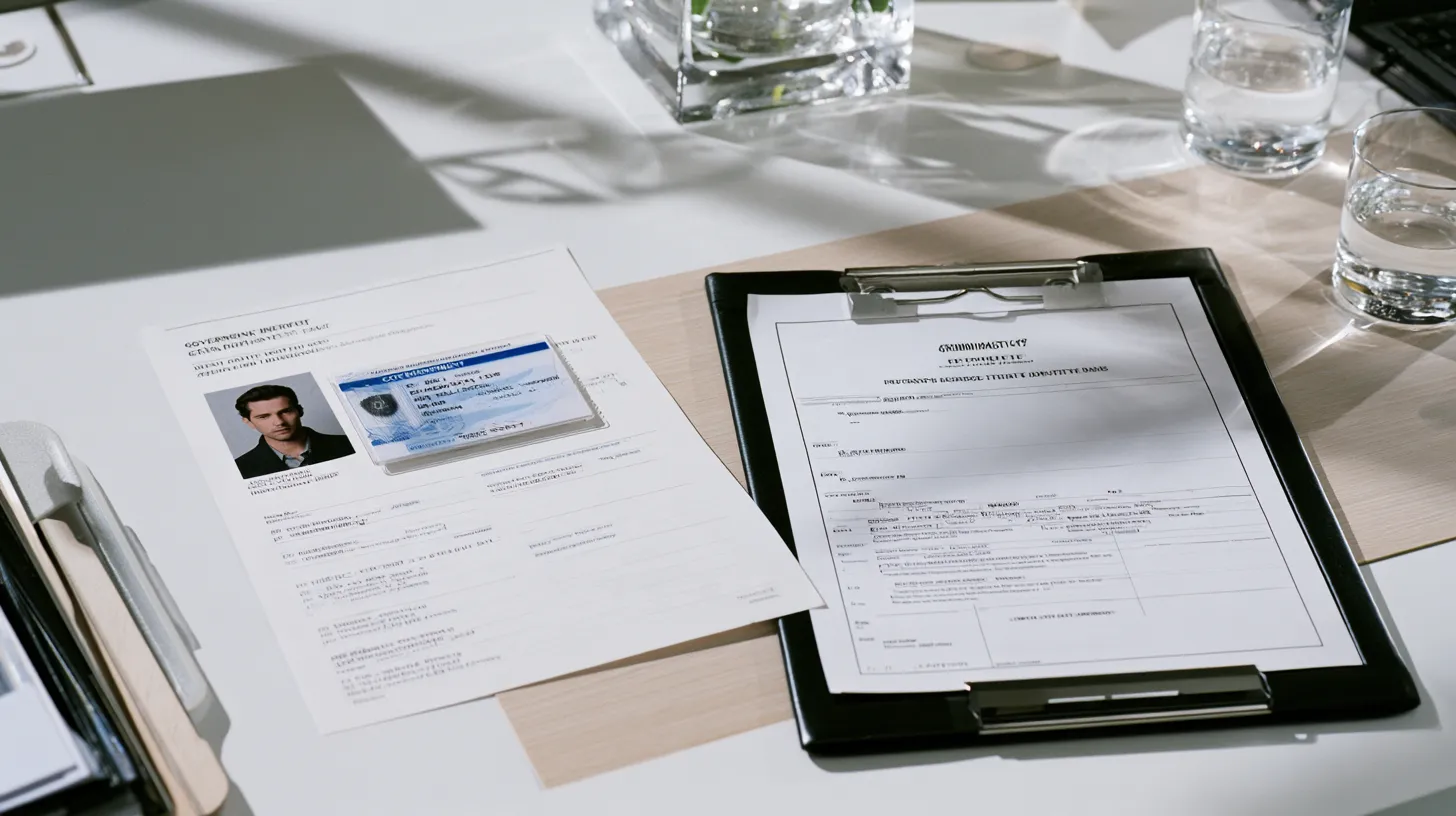
Useful information can include government-issued identification showing your correct name, photograph, and date of birth, along with documents establishing your address history.
If available, obtaining the case number or docket information for the criminal record being reported can also help.
That allows the reporting company, court, or records agency to compare the actual defendant’s identifying information with yours.
You do not necessarily need every possible document before filing the initial dispute.
The purpose of supporting documentation is to help distinguish you from the person who actually owns the criminal record and make the reinvestigation more efficient.
If you previously obtained a Nevada SCOPE report or another official criminal-history report, that document can also provide a useful snapshot of what Nevada’s records showed under your identity at a particular time.
This is a records-dispute problem, not a record sealing problem
The distinction is important.
Nevada record sealing is designed to address an actual Nevada criminal case belonging to the person seeking relief.
If the criminal record belongs to someone else entirely, there is no conviction of yours for a court to seal.
Filing a sealing petition in that situation would not correct the underlying mistaken identity.
Instead, the appropriate goal is to correct the inaccurate information with the reporting company and, when necessary, with the state agency or other source maintaining the incorrect record.
If you are unsure whether the reported case genuinely belongs to you, reviewing your own official Nevada criminal-history records can help determine whether you are dealing with mistaken identity or an actual case from your past.

Frequently Asked Questions
What should I do if the background check shows an arrest with a different birth date than mine?
A different birth date is a strong indication that the record may belong to someone else and that the report resulted from a name-based mismatch. Include that discrepancy in your dispute with the background-check company and provide identification showing your correct date of birth. The more clearly you can demonstrate that the reported defendant has different identifying information, the easier it may be for the company to correct the report.
What if the background check company says the information came from Nevada?
You still have the right to dispute the inaccurate report directly with the background-check company, even if it says the information came from a state source. If the same incorrect information also appears in Nevada’s Central Repository, it may be necessary to pursue a correction there as well. Correcting both levels can address the current report and reduce the risk that the same error appears in future background checks.
What can I do if an employer already withdrew my job offer because of the wrong record?
Correcting the criminal-history error does not automatically reverse a hiring decision that has already been made, but a prompt, documented dispute can establish that the report was inaccurate and may give you information to provide to the employer. It can also protect you from the same false record appearing in later employment, housing, or other background checks.
Conclusion
A background check showing the wrong Nevada criminal record is not something that should be solved through record sealing if the case never belonged to you.
The immediate priority is determining whether the mistake originated with a private screening company, Nevada’s own criminal-history repository, or both. A company-level dispute can address the report causing immediate harm, while correcting the underlying source can help prevent the error from appearing again.
If you are unsure whether a criminal record appearing on a background check is actually yours, contact Record Sealing Nevada for a confidential review. The first step is comparing the reported case with your actual Nevada history so you can determine whether you need a records correction, a background-check dispute, or a record sealing strategy for a case that genuinely belongs to you.